What is polyurea?
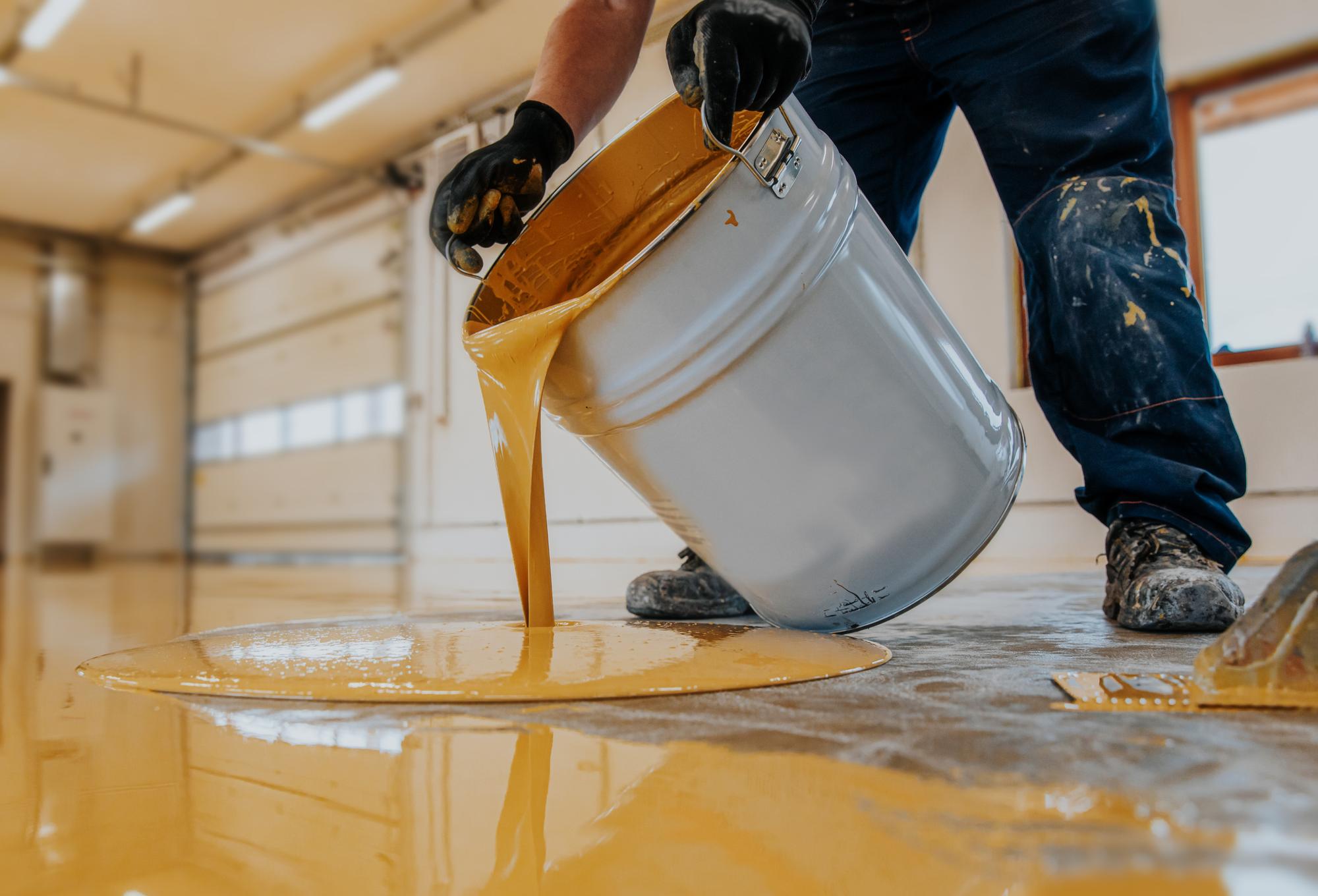
Polyurea is an elastomeric coating formed by the reaction of an isocyanate component with an amine-based resin. The result is an exceptionally tough, flexible film that cures very quickly. Polyurea has been used for decades in demanding environments — truck bed liners, secondary containment, waterproofing and industrial floors — because it combines high tensile strength with the ability to stretch and recover.
In concrete floor coatings, polyurea is most often used as a base coat. It penetrates and bonds to properly prepared concrete, creates a resilient foundation for decorative flake or color and is then protected by a UV-stable topcoat. At Phoenix Epoxy Flooring Pros, polyurea base coats are one of our go-to solutions for garages and other floors that face major temperature swings.
Why flexibility matters in Phoenix
Concrete expands as it heats and contracts as it cools. In Phoenix, a garage slab can bake in direct afternoon sun when the door is open, then cool considerably overnight. Over thousands of cycles, rigid coatings can develop stress at cracks and joints, eventually leading to cracking, delamination or peeling.
Polyurea's elasticity allows it to accommodate more of that movement. Rather than fighting the slab, the coating flexes with it. Combined with proper crack repair and diamond-ground surface preparation, this flexibility helps the whole system last longer in our climate.
Key benefits of polyurea coatings
- Flexibility. Considerably more elastic than traditional epoxy, helping it tolerate thermal movement and minor slab shifting.
- Impact resistance. Absorbs impacts from dropped tools, weights and equipment better than brittle coatings.
- Strong adhesion. Bonds tenaciously to properly prepared concrete.
- Fast cure. Cures far faster than epoxy, enabling quicker installs and shorter downtime.
- Abrasion and chemical resistance. Holds up against foot traffic, tires, oil and many common chemicals.
- Temperature tolerance. Performs across a wide range of temperatures, both during installation and in service.
Polyurea, polyaspartic and epoxy: how they work together
Each coating chemistry has strengths, and the best systems combine them intelligently:
| Polyurea | Flexible, fast-curing, high-impact base coat; aromatic versions need a UV-stable topcoat |
|---|---|
| Polyaspartic | UV-stable, fast-curing, abrasion-resistant topcoat that stays clear in the sun |
| Epoxy | High-build, excellent bond and value; ideal for primers, body coats and metallics |
| Our typical garage system | Polyurea base + full flake broadcast + polyaspartic topcoat |
| Return to vehicle traffic | About 24–48 hours |
| Typical install time | 1–2 days for most garages |
Pairing a polyurea base with a polyaspartic topcoat gives you the best of both: a flexible, impact-resistant foundation and a sun-proof, chemical-resistant wear surface.
Is polyurea right for every floor? Not always. On slabs with high moisture vapor emissions or certain contamination, an epoxy primer may be the better first layer. We test every slab and recommend the system that fits your conditions — not a one-size-fits-all product.
Where we install polyurea
Residential garages
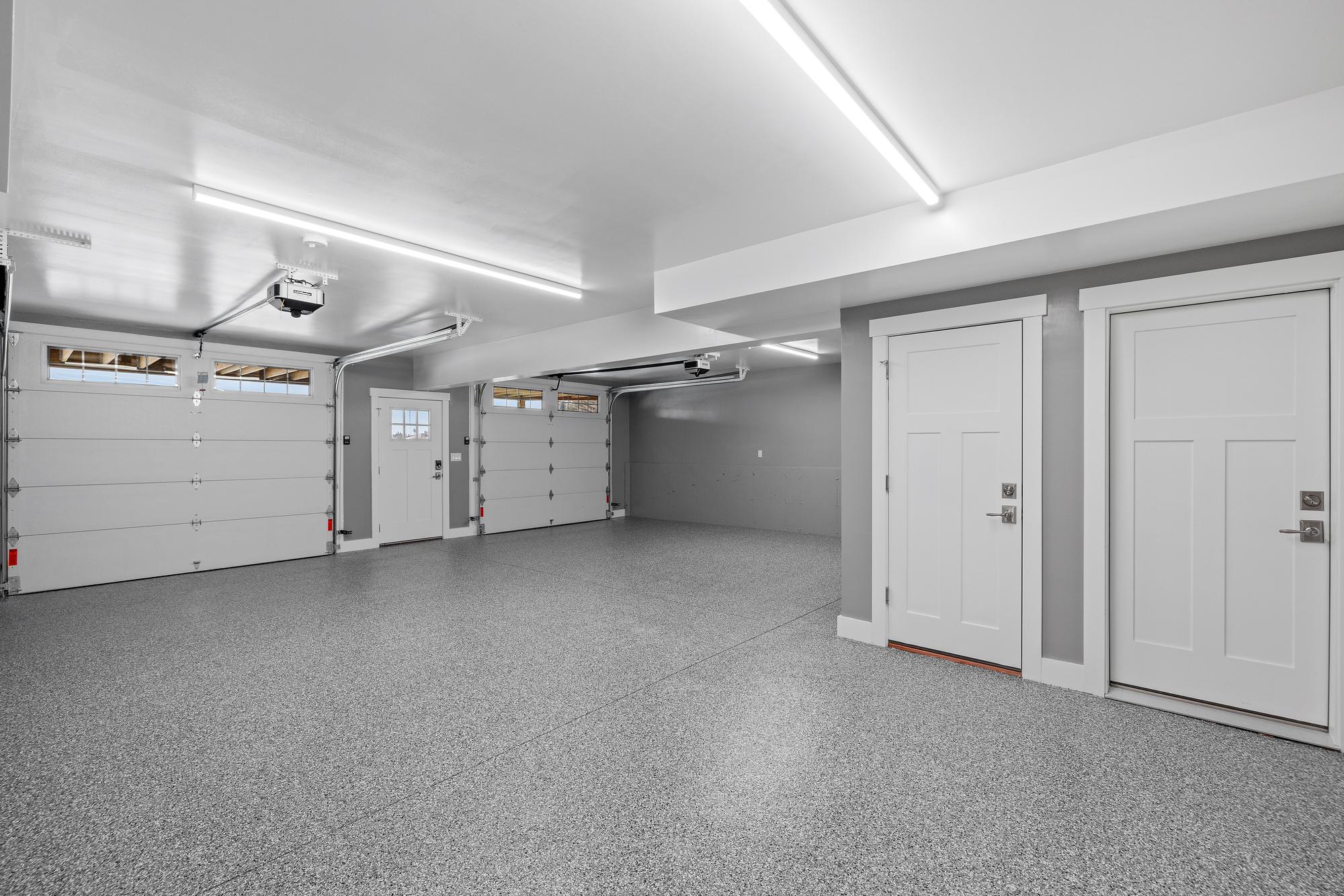
Garages are the classic application. The combination of hot tires, sun exposure and big temperature swings makes polyurea's flexibility and toughness particularly valuable.
Workshops and hobby spaces
Woodworking shops, motorcycle garages and home gyms see dropped tools and heavy equipment. Polyurea's impact resistance helps prevent chips and gouges.
Commercial and light industrial floors
Service bays, fabrication shops, storage areas and loading zones benefit from polyurea's durability and fast return to service.
Patios and exterior concrete
With a UV-stable topcoat, polyurea-based systems can perform well outdoors, where temperature swings are even more extreme.
Our polyurea installation process
Polyurea cures quickly, so proper preparation and an experienced crew are essential. Here's how we approach each project:
- Evaluate the slab. We test moisture and hardness and identify cracks, spalls and contamination.
- Diamond grind. Grinding opens the concrete's pores and creates the profile polyurea needs for maximum adhesion.
- Repair. Cracks and joints are filled with flexible or rigid repair materials as appropriate.
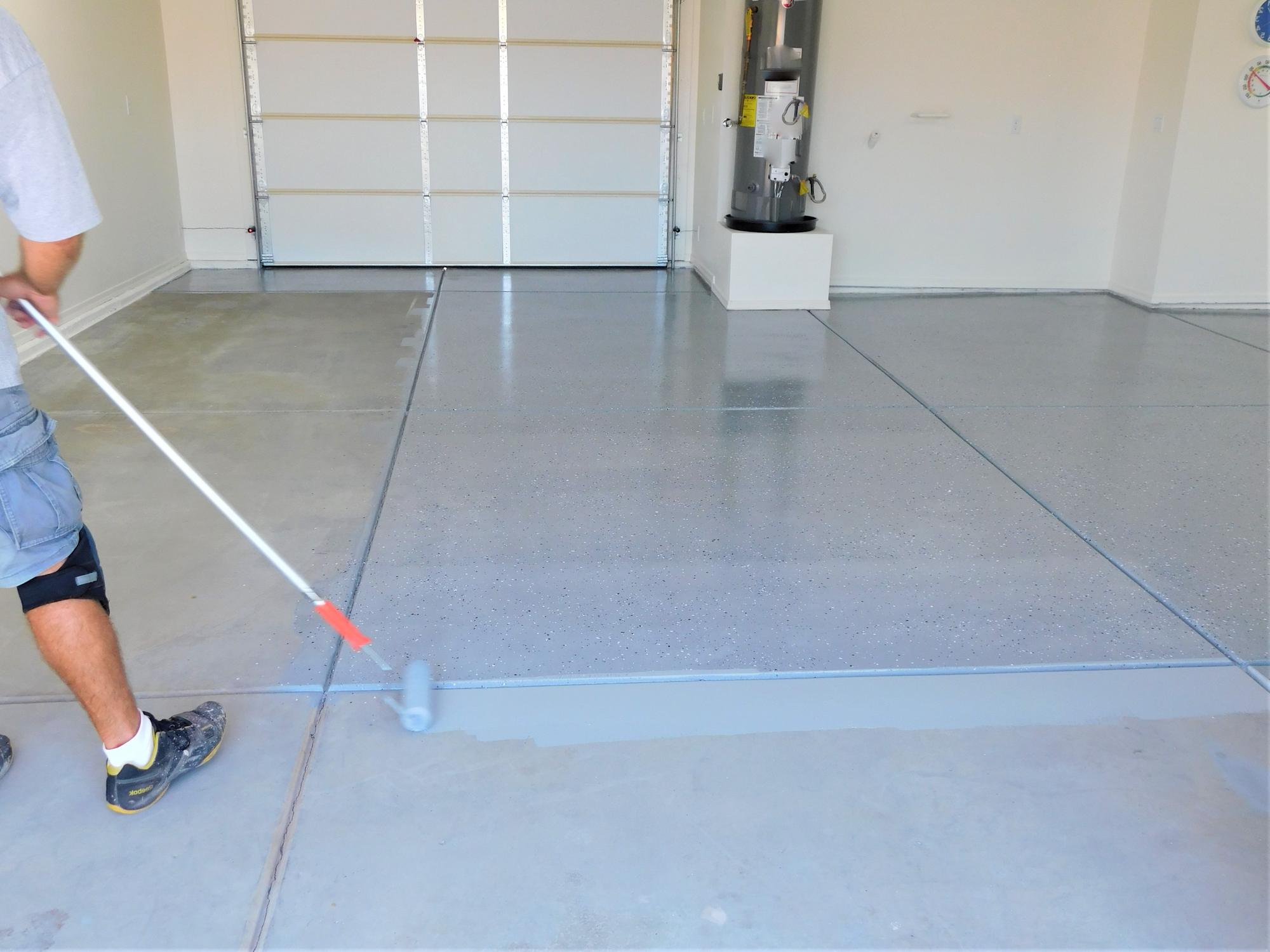
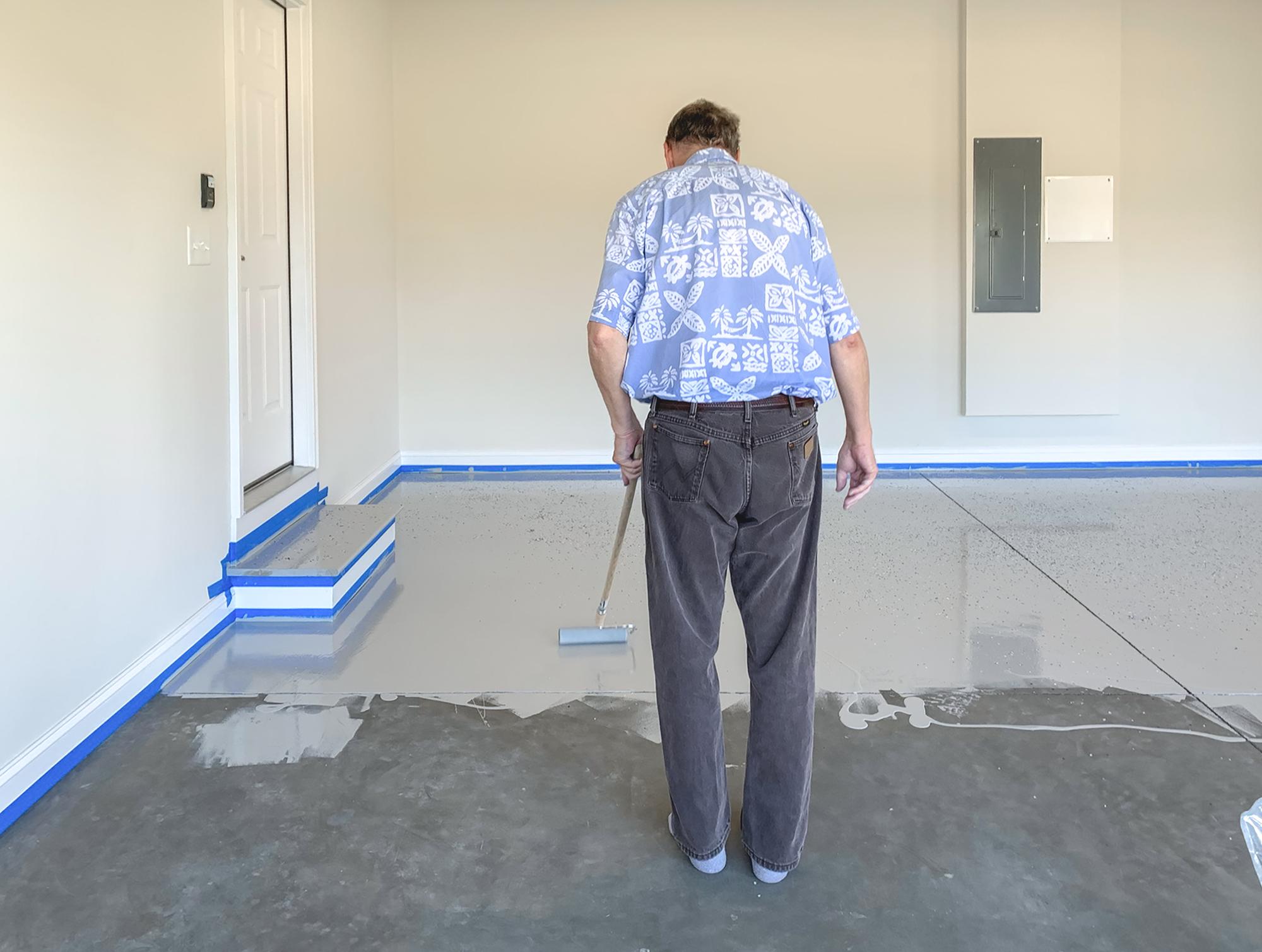
- Apply the polyurea base coat. The base is spread and back-rolled within its short working window.
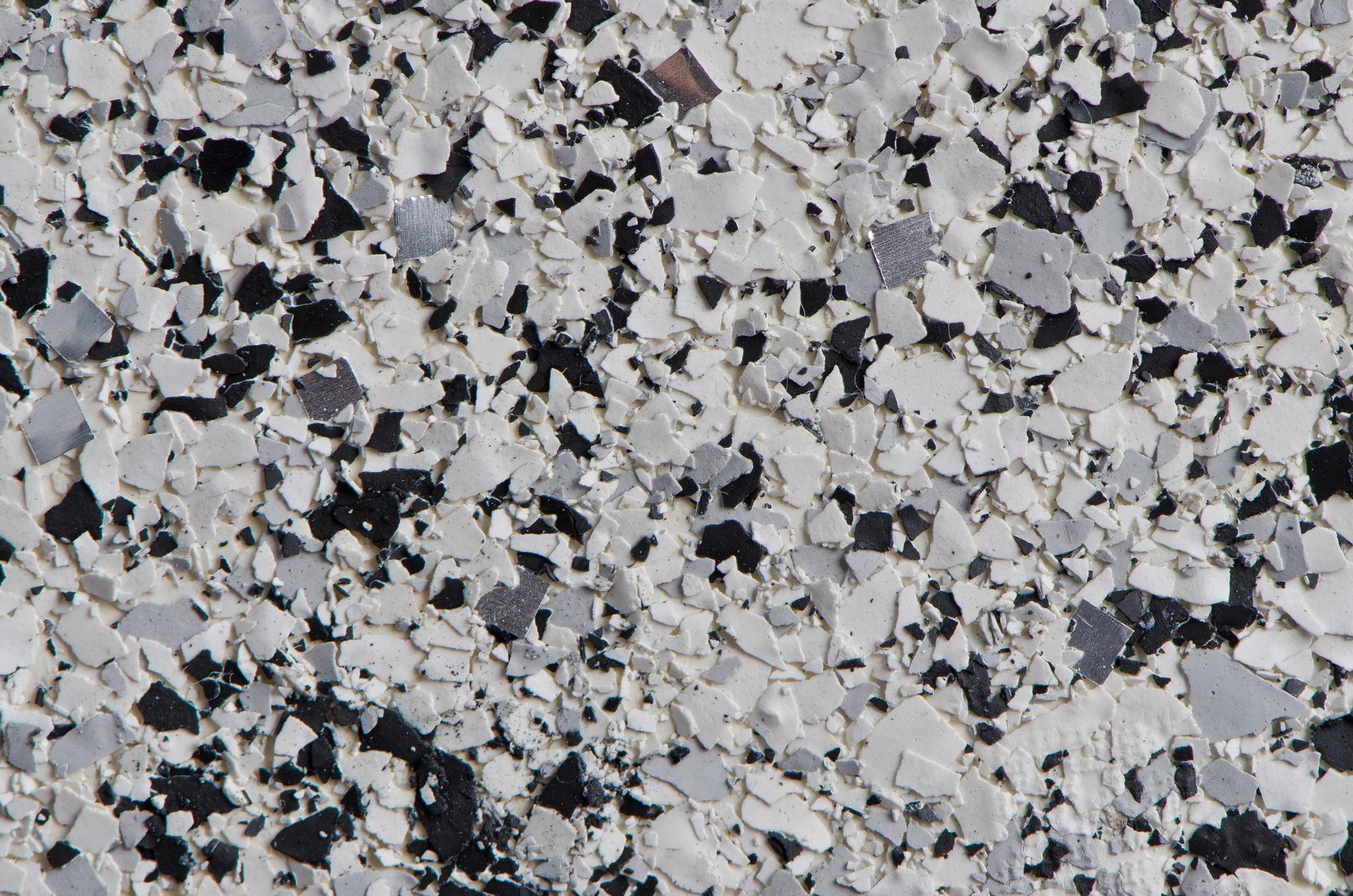
- Broadcast decorative flake or apply color while the base is still wet.
- Scrape, vacuum and topcoat with a UV-stable polyaspartic for protection and shine.
In hot weather, polyurea's working time shortens significantly. We schedule early starts, mix in controlled batches and use crew sizes that keep each section moving smoothly.
What about bed-liner style coatings?
Some people know polyurea from spray-on truck bed liners. Those are typically thick, textured, spray-applied products designed for heavy impact. Floor-grade polyurea is formulated differently: it's roller- or squeegee-applied, designed to bond to concrete and intended to be decorated and topcoated. Spray-applied polyurea can be appropriate for certain industrial or waterproofing projects, and we can discuss those needs if they apply to you.
Cost factors
Polyurea systems are generally priced above basic epoxy systems because of their materials and the expertise required to apply them. Your quote will reflect the size of the area, slab condition and repairs, removal of any existing coating, the decorative finish and topcoat chosen and extras like stem walls or anti-slip additives. Many clients find the added durability and reduced risk of failure well worth the investment.
Maintenance and longevity
A polyurea-based floor is low-maintenance. Sweep or dust-mop regularly, mop with a pH-neutral cleaner and clean up spills promptly. Use pads under jack stands and heavy items. With good preparation, a quality topcoat and simple care, these systems commonly provide many years of service.
Signs your current coating needed more flexibility
Many of the polyurea projects we complete are replacements for coatings that failed early. If you're seeing any of the following on an existing floor, a more flexible system may be the answer:
- Cracks in the coating that follow cracks in the slab. Rigid coatings often split right along existing concrete cracks as the slab moves.
- Peeling near the garage door. The area closest to the door sees the most sun, heat and temperature change, and it's where weak systems fail first.
- Chips from dropped tools. Brittle coatings can chip and shatter on impact, exposing bare concrete beneath.
- Lifting at control joints. Joints are designed to let concrete move; coatings that can't move with them tend to lift.
When we replace a failed coating, we grind it off completely, address the underlying issues and install a system designed to handle the conditions that caused the original failure.
Polyurea and Phoenix monsoon season
Monsoon storms bring sudden humidity, blowing dust and water pushed under garage doors. Polyurea's fast cure means the coating spends less time vulnerable to dust and moisture during installation, and its tight, durable film resists water once cured. We also watch the forecast closely during monsoon season, scheduling around storms and protecting open garages from blowing debris while the coating cures. If your slab shows signs of moisture vapor, we'll test it and may recommend a moisture-mitigating primer beneath the polyurea to prevent blistering.
Polyurea for commercial schedules
For businesses, every hour a floor is out of service costs money. Polyurea's fast cure lets us complete many commercial projects over a weekend or in phases, coating one section while the rest of your operation continues. Combined with a polyaspartic topcoat, the floor can often return to light traffic the next day. We'll work with you on a schedule that keeps disruption to a minimum and communicate clearly at every stage.
Why choose Phoenix Epoxy Flooring Pros
We understand how Arizona's climate affects concrete and how different coating chemistries respond. We'll explain your options in plain language, recommend the system that makes sense for your slab and budget and install it with the care and precision fast-curing materials require.
Polyurea Floor Coatings FAQ
Is polyurea stronger than epoxy?
Polyurea is more flexible and impact-resistant than standard epoxy and cures much faster. Epoxy is harder and builds thickness well. For Phoenix garages, a polyurea base with a polyaspartic topcoat is often the best combination.
Is polyurea UV-stable?
Aromatic polyurea, commonly used for base coats, is not UV-stable on its own and can discolor in sunlight. That's why we always protect it with a UV-stable polyaspartic topcoat.
How long does a polyurea floor take to install?
Most residential garages are completed in one to two days, with vehicles returning in about 24 to 48 hours.
Can polyurea be applied in summer?
Yes. Its working time is shorter in heat, so we start early, mix in smaller batches and use experienced crews to apply it correctly.
Will polyurea stop my slab from cracking?
No coating can prevent the concrete itself from cracking. Polyurea's flexibility helps the coating tolerate movement, and proper crack repair helps the finished floor stay intact.
Can polyurea go over cracked concrete?
Yes, after the cracks are properly repaired. We open, clean and fill cracks before coating. Polyurea's flexibility then helps the coating tolerate minor future movement.
Does polyurea come in colors?
Polyurea base coats can be tinted, and most of our systems add decorative flake or pigmented color on top. The clear polyaspartic topcoat then protects the finish.
Is polyurea the same as a truck bed liner?
It's the same chemical family, but floor-grade polyurea is formulated for concrete adhesion, roller application and decorative finishes.