What is a polyaspartic coating?
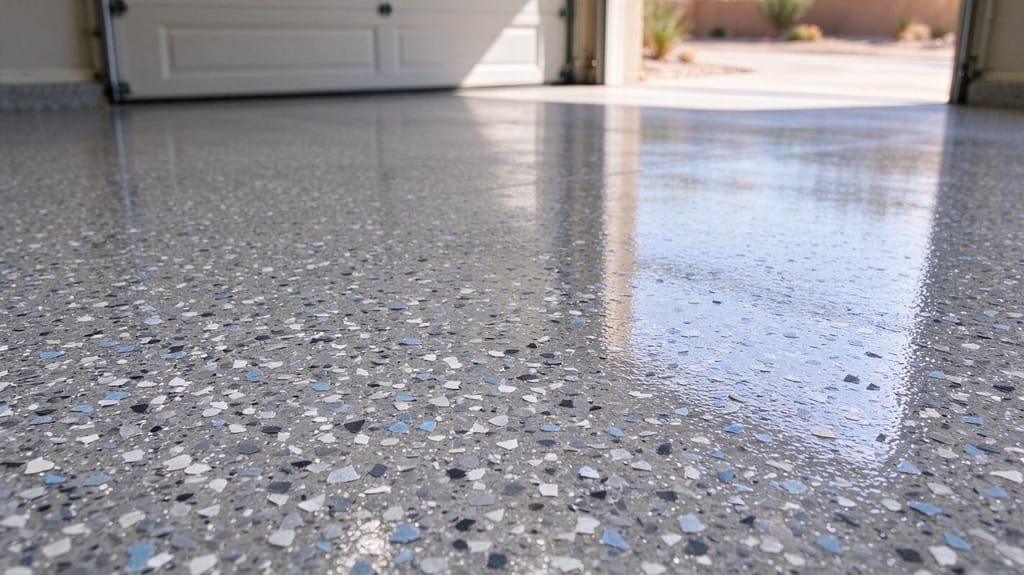
Polyaspartic is a type of aliphatic polyurea — a modern, high-performance coating originally developed for demanding industrial applications such as bridges and steel structures. In flooring, it's used as a clear or pigmented coat that cures much faster than traditional epoxy while offering outstanding UV stability, abrasion resistance and chemical resistance.
At Phoenix Epoxy Flooring Pros, polyaspartic is the topcoat of choice for most of our garage, patio and commercial systems. It can also be used as a complete system on its own in some applications. If you've heard about a "one-day garage floor," polyaspartic chemistry is usually what makes it possible.
Why polyaspartic is ideal for Phoenix
Arizona puts floor coatings through more stress than most places. Polyaspartic addresses several of the biggest challenges directly:
- UV stability. Standard epoxy yellows and chalks in direct sunlight. Polyaspartic is aliphatic, which means it resists UV degradation and stays clear and color-true — critical for garages with the door open and for outdoor patios.
- Fast cure. Polyaspartic cures in hours rather than days. Foot traffic is often possible the same day and vehicles can typically return within about 24 to 48 hours.
- Hot-tire resistance. Its hardness and chemical makeup help it resist softening and lifting when hot tires come in off summer pavement.
- Abrasion and chemical resistance. Polyaspartic stands up to oil, gasoline, brake fluid, antifreeze, pool chemicals and household cleaners.
- Wide temperature range. It can be applied across a broader range of temperatures than many epoxies, which helps us schedule year-round.
Polyaspartic vs. epoxy
Epoxy and polyaspartic are complementary rather than competing products. Epoxy is excellent at building thickness, bonding to concrete and creating decorative effects like metallics. Polyaspartic excels as a protective, UV-stable wear layer. In many of our systems, we use each where it performs best.
| Cure speed | Polyaspartic: hours · Epoxy: typically 24+ hours per coat |
|---|---|
| UV stability | Polyaspartic: excellent · Epoxy: yellows without a topcoat |
| Return to vehicle traffic | Polyaspartic: ~24–48 hrs · Epoxy: ~72 hrs or more |
| Abrasion resistance | Polyaspartic: very high · Epoxy: high |
| Build per coat | Polyaspartic: moderate · Epoxy: high |
| Best use | Polyaspartic: topcoats & fast systems · Epoxy: primers, body coats, metallics |
Polyaspartic vs. polyurea
Polyaspartic is technically a member of the polyurea family, but the two behave differently. Traditional aromatic polyurea cures extremely fast and is very flexible, making it an excellent base coat; however, it isn't UV-stable on its own. Polyaspartic is formulated to cure a bit more slowly (giving installers time to work) and to resist UV. A common high-performance combination is a polyurea base coat with a polyaspartic topcoat — flexibility below, sun protection on top.
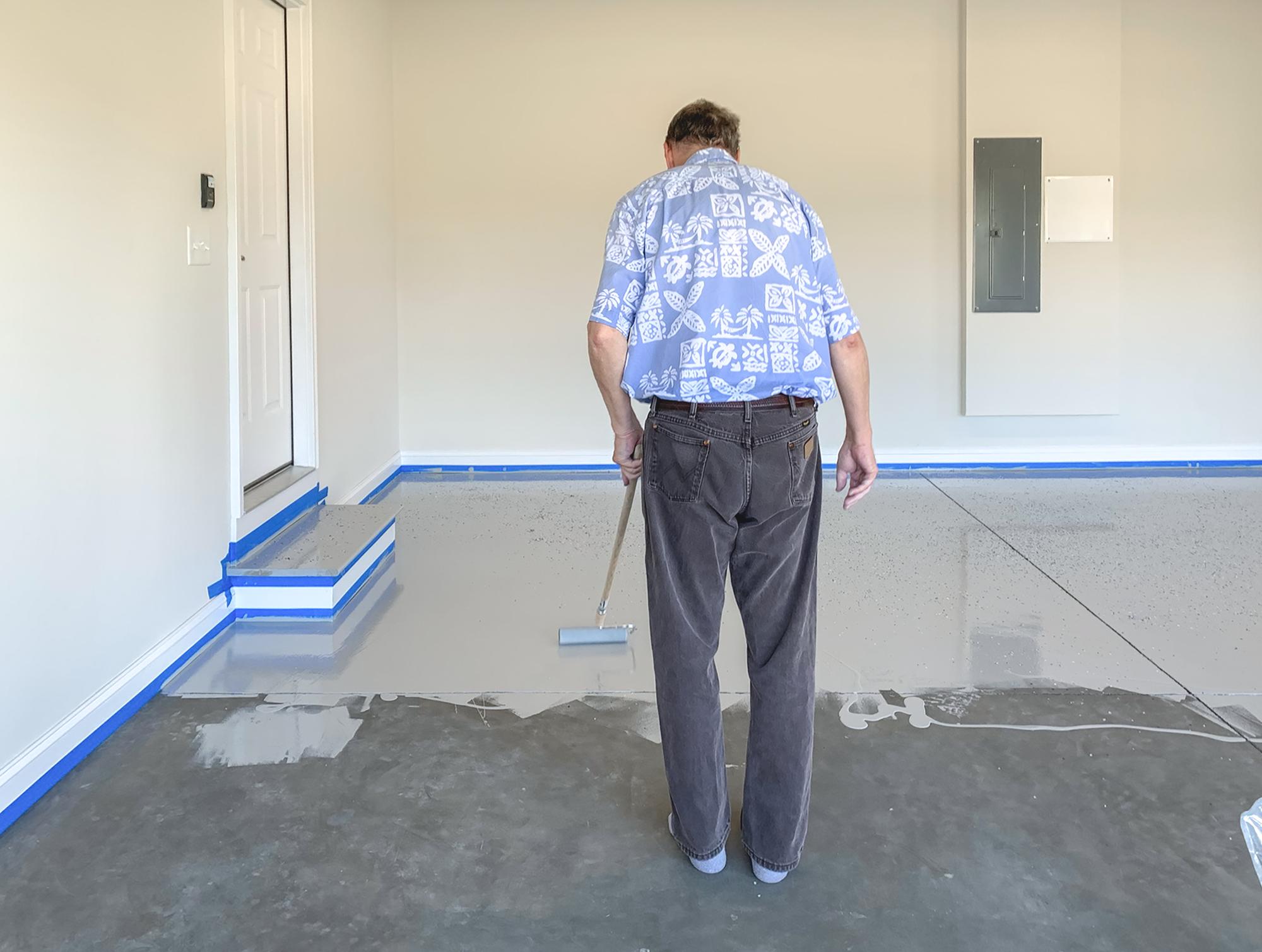
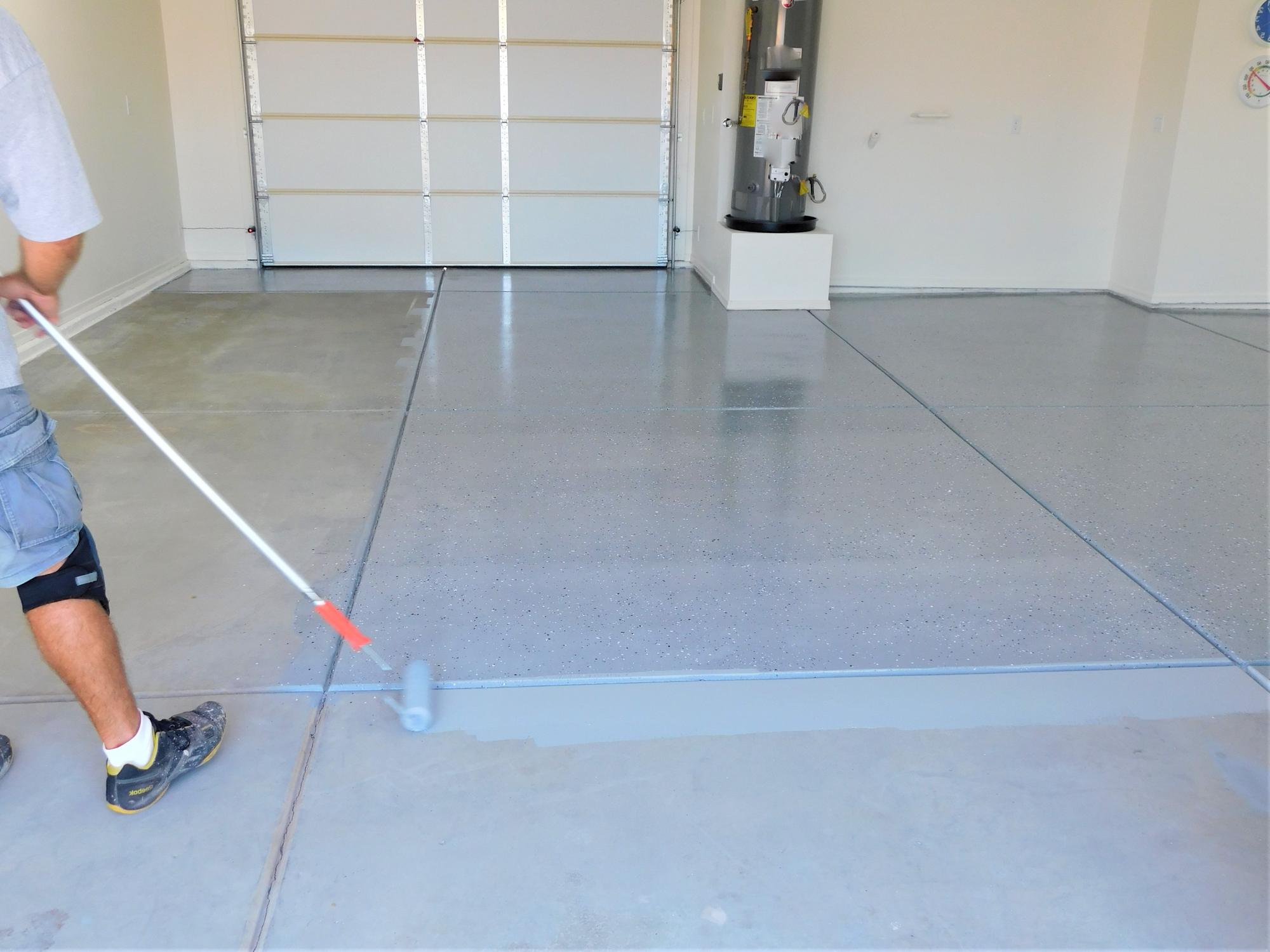
The one-day floor, explained. Because polyaspartic cures so quickly, we can often grind, repair, base coat, broadcast flake, scrape and topcoat a typical garage in a single long day. Your exact schedule depends on slab condition, temperature and the system you choose.
Where we use polyaspartic coatings
Garage floors
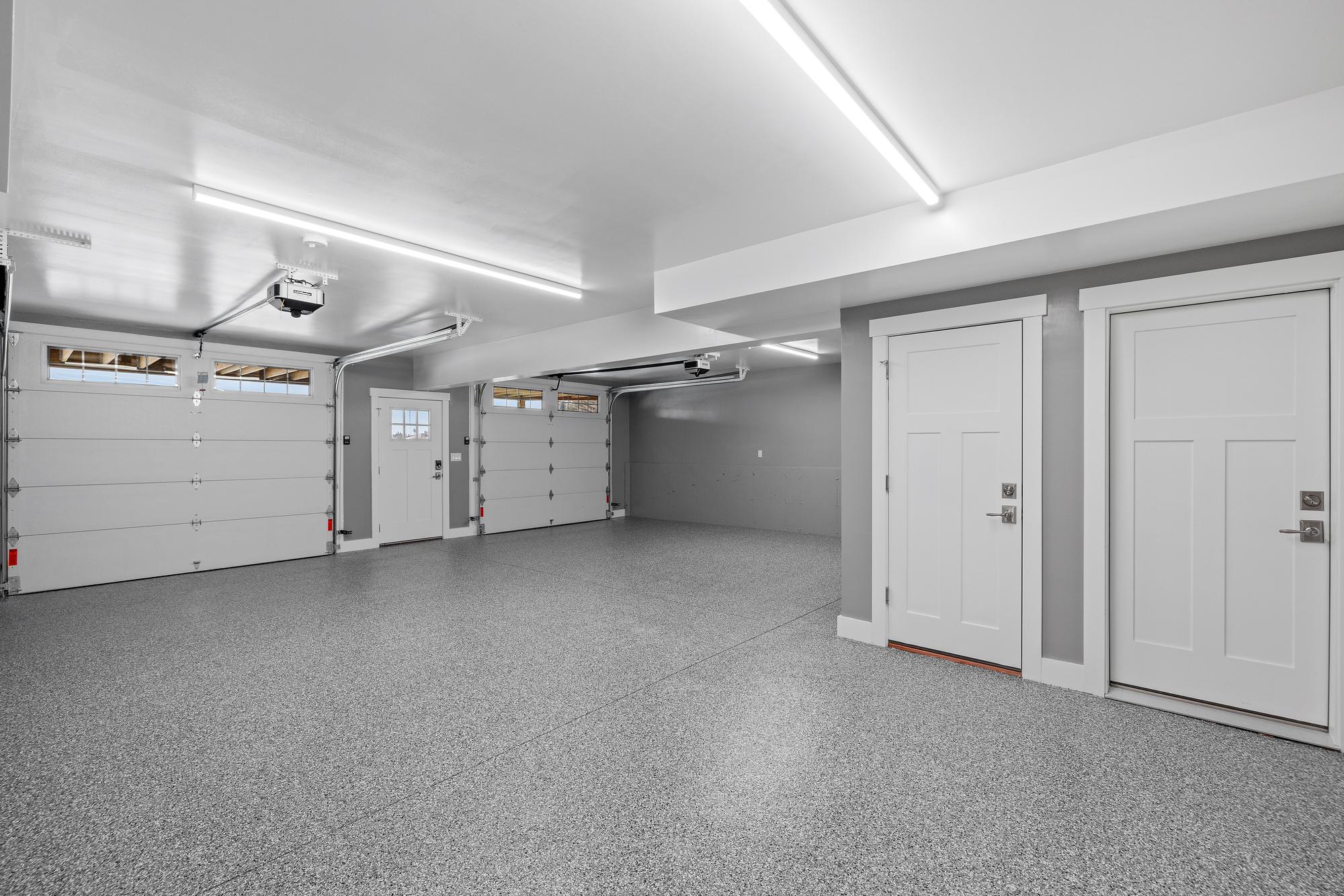
Nearly every garage system we install is finished with polyaspartic. It keeps flake colors vibrant, resists hot tires and lets you get your garage back fast.
Patios, pool decks and walkways
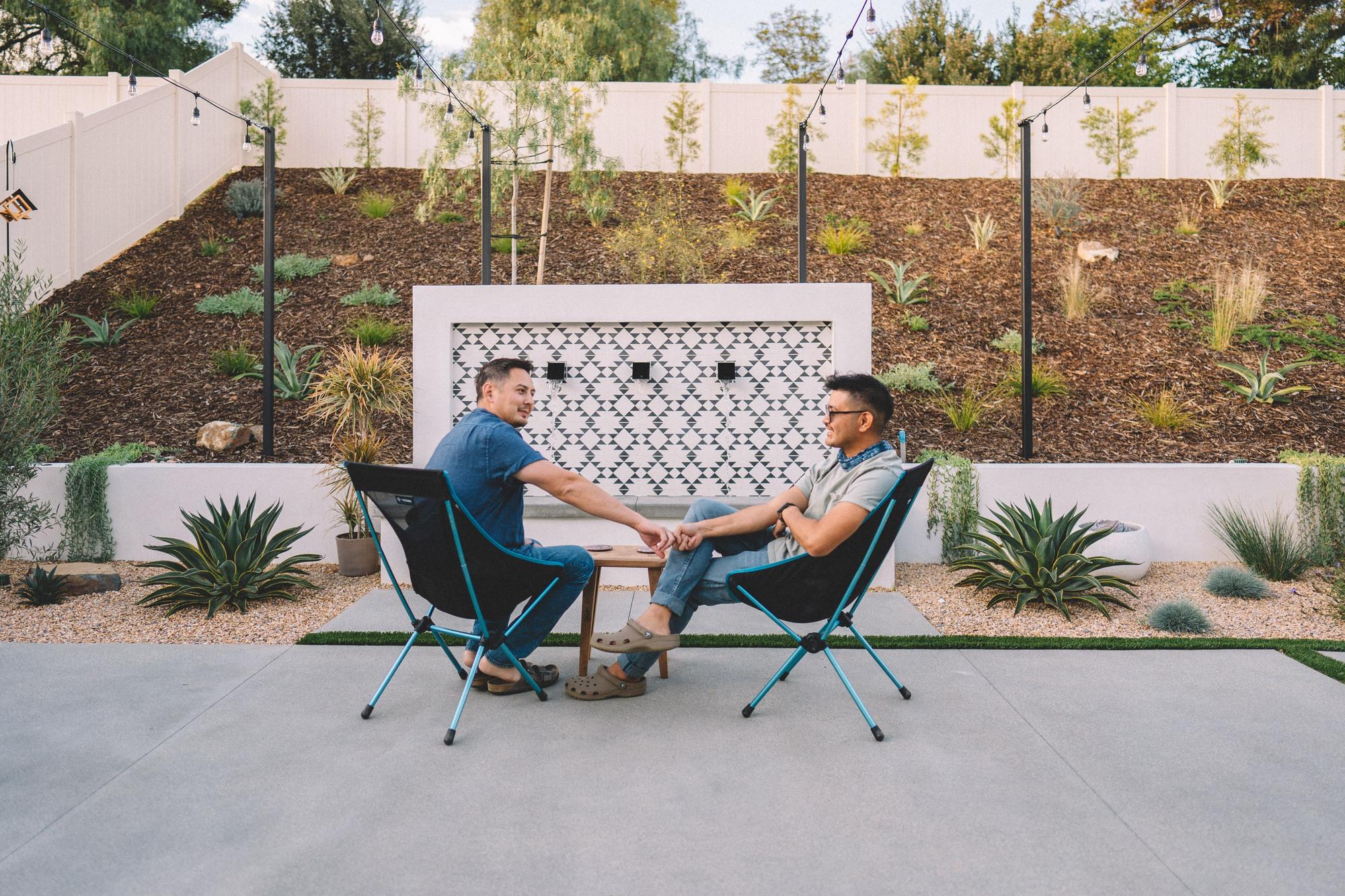
Outdoor surfaces need UV stability above all else. Polyaspartic topcoats protect decorative coatings from sun damage, and we can add anti-slip texture for wet feet.
Commercial spaces
Retail stores, restaurants, salons, clinics and offices benefit from minimal downtime. Polyaspartic allows us to complete many projects overnight or over a weekend.
Auto shops and showrooms
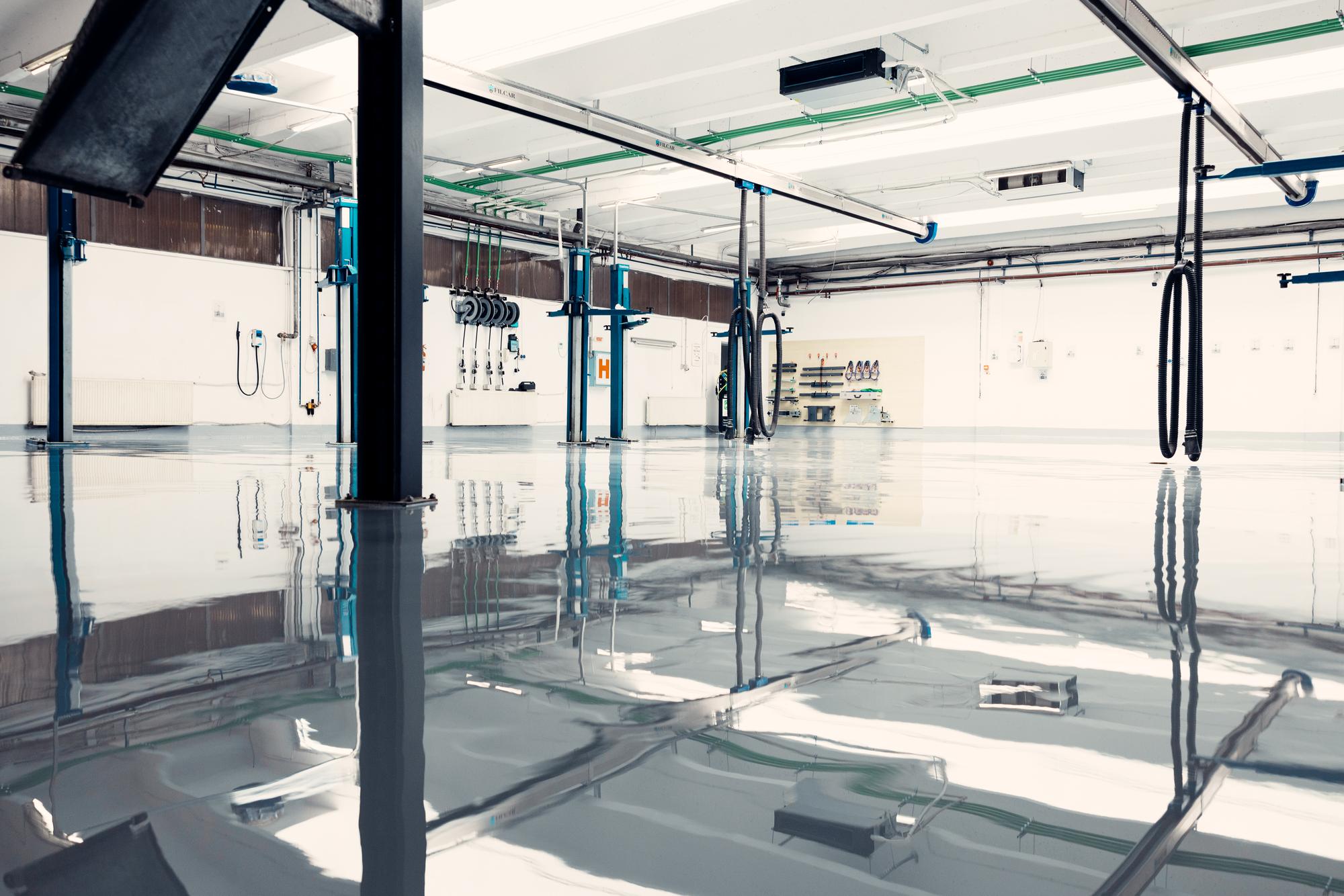
Chemical and abrasion resistance make polyaspartic a strong choice for service bays and vehicle showrooms that need to look sharp under bright lighting.
Our installation process
Fast-curing materials leave no room for shortcuts. Polyaspartic must be applied over a properly prepared surface and at the correct thickness to perform. Our process includes:
- Moisture and hardness testing to confirm the slab is ready and to select the right primer or base.
- Diamond grinding for a clean, open profile and strong mechanical bond.
- Crack and joint repairs using fast-setting polymer fillers.
- Base coat of polyurea, epoxy or polyaspartic, depending on the system.
- Decorative layer such as full flake broadcast or pigmented color.
- Polyaspartic topcoat applied by experienced installers who manage pot life and temperature carefully.
Working with polyaspartic in Phoenix summers takes experience. The material's pot life shortens as temperatures rise, so we mix in smaller batches, start early in the day and adjust formulations to maintain proper flow and leveling.
Gloss, satin and texture options
Polyaspartic topcoats are available in high gloss for maximum shine and depth, or satin for a softer look that hides footprints and fine scratches. For garages, patios, ramps and commercial kitchens, we can broadcast or mix in an anti-slip aggregate to improve traction. We'll recommend the right level of texture based on how the floor will be used.
Cost considerations
Polyaspartic materials generally cost more than standard epoxy, but they often save money over the life of the floor by preventing UV damage and reducing downtime. Your price will depend on square footage, slab condition, the full system selected, decorative choices and any extras such as stem walls or anti-slip additives. We'll provide a transparent written quote after your free on-site estimate.
Maintenance
Polyaspartic floors are easy to care for. Sweep or dust-mop regularly, rinse outdoor surfaces with a hose and mop interior floors with a pH-neutral cleaner. Clean up chemical spills promptly. Use protective pads under jack stands and heavy equipment. Over many years, a worn topcoat can be lightly abraded and recoated to refresh the finish.
The science behind the speed
Traditional epoxies cure through a relatively slow reaction between resin and hardener, which is why each coat typically needs a day or more before the next can be applied. Polyaspartic esters react with isocyanates much faster, but in a controlled way that still gives installers enough working time to roll the material out evenly. Manufacturers offer different speeds — slower formulas for hot weather and large areas, faster formulas for cooler days and quick turnarounds. Choosing the right speed for the day's conditions is one of the most important decisions an installer makes, and it's one we make on every Phoenix project.
Because the coating cures so quickly, there's also less time for dust, insects or debris to settle into the wet film — a real advantage in a windy, dusty desert environment.
Common polyaspartic mistakes we avoid
Polyaspartic is a fantastic material, but it's unforgiving when handled carelessly. The most common problems we see from rushed or inexperienced installs include:
- Skipping proper grinding. Applying polyaspartic over etched or unprepared concrete leads to poor adhesion and peeling.
- Applying too thin. A thin topcoat wears through quickly in tire paths and leaves flake exposed.
- Ignoring slab moisture. Moisture vapor can cause bubbles and bond failures if it isn't tested and addressed.
- Using the wrong speed for the temperature. A fast formula on a hot day can set up before it levels, leaving roller marks and uneven gloss.
- Poor edge work. Thin edges along walls and thresholds are where failures often begin.
Our process is designed specifically to prevent each of these issues, so your fast-curing floor is also a long-lasting one.
Why choose us
We install polyaspartic coatings every week across Phoenix and understand how to handle them in Arizona conditions. You'll get an honest recommendation on whether polyaspartic, epoxy, polyurea or a hybrid system is right for your project, and a fast, clean installation that's built to last.
Polyaspartic Floor Coatings FAQ
Is polyaspartic better than epoxy?
It depends on the job. Polyaspartic is better for UV exposure, fast return to service and hot-tire resistance, which is why we use it as a topcoat. Epoxy is better for building thickness and decorative effects. Many of our systems use both.
Can a garage really be done in one day?
Often, yes. Many standard garages can be completed in one day with a polyaspartic system. Heavy repairs, coating removal or very large spaces may require a second day.
How soon can I drive on a polyaspartic floor?
Typically about 24 to 48 hours after the topcoat, depending on temperature and humidity. Foot traffic is usually fine within a few hours.
Does polyaspartic have a strong odor?
Some polyaspartic products have a noticeable odor during application. We ventilate the space well, and the smell typically dissipates within a day.
Can polyaspartic be used outdoors?
Yes. Its UV stability makes it one of the best options for patios, pool decks and walkways. We add anti-slip texture where people walk with wet feet.
Can polyaspartic go over my existing epoxy floor?
Sometimes. If the existing floor is well bonded, we can abrade it and apply a polyaspartic topcoat to refresh it and add UV protection. Failing or peeling coatings must be removed first.
Is polyaspartic safe for my pets and family after it cures?
Once fully cured, polyaspartic is an inert, solid surface. We ask that people and pets stay out of the area during installation and the initial cure period.
Will polyaspartic yellow over time?
Polyaspartic is aliphatic and highly UV-resistant, so it resists the yellowing that affects standard epoxy in strong sunlight.